The Hidden Hazard of Aging Under-Slab Cast Iron Drains
Many single-family residential homes built across Bossier City between the 1950s and late 1980s were plumbed with heavy cast iron sanitary drainage systems buried directly beneath the concrete slab foundation. While cast iron was once the undisputed standard for residential waste plumbing, it possesses a finite lifespan of 40 to 60 years.
Over decades of contact with sewage gases, modern detergents, acidic wastewater, and moisture from surrounding clay soils, cast iron pipes deteriorate from the inside out. The bottom invert of the pipe corrodes away entirely, creating what plumbers call a channeling rot. When this happens, raw sewage and gray water no longer exit cleanly to the municipal sewer; instead, waste discharges directly into the soil underneath your foundation slab.
When addressing subgrade drainage failure, expert cast iron pipe replacement Bossier City specialists determine whether trenchless restoration or sub-slab excavation is necessary to preserve your foundation. To contrast drain issues with pressurized supply line leaks, view our guide on slab leak repair in Bossier City.
How Drain Leaks Differ From Supply-Line Slab Leaks
It is critical to distinguish between a pressurized freshwater slab leak and a gravity cast iron drain under slab Bossier City failure:
- Pressure vs. Gravity: Fresh water supply lines are continuously pressurized at 50 to 70 PSI, so a leak causes spinning water meters, screaming water heaters, and rapid flooding. Gravity sewer drains only carry water when fixtures are discharged, meaning leaks can silently seep sewage into sub-slab soil for years undetected.
- Soil Erosion & Foundation Settlement: Escaping sewage washes away supportive bedding dirt beneath the slab, creating cavernous voids. Over expansive Bossier clay, this leads to dramatic foundation settling, cracked interior drywall, and misaligned doors.
- Health Hazards: A broken sewer line under slab Bossier City releases sewer gases (hydrogen sulfide and methane), fostering dangerous subterranean bacteria and persistent drain odors inside the home.
Warning Signs of Failing Under-Slab Cast Iron
Homeowners should be alert to symptoms indicating deteriorating cast iron drains beneath their foundation:
Frequent Backups & Slow Drains
Multiple plumbing fixtures (toilets, tubs, showers) draining sluggishly or backing up simultaneously, especially during laundry or heavy usage.
Foul Sewer Gas Smells
Persistent sulfurous or rotten-egg odors emerging near floor drains, bathroom vanities, or laundry alcoves that do not dissipate with cleaning.
Unexplained Pest Infestations
Drain flies (sewer gnats) or roaches repeatedly appearing indoors, finding access through cracked, open sewage conduits beneath the foundation.
Foundation Cracking & Floor Dips
Cracks appearing in ceramic floor tiles or noticeable depressions forming where sub-slab base gravel has been washed away by escaping sewage.
Camera Inspections & Hydrostatic Testing
Evaluating buried cast iron drains requires rigorous diagnostic procedures:
-
1
High-Definition Color Sewer Camera Run
A self-leveling fiber-optic video camera is inserted through cleanouts to visually examine the entire drainage line. This reveals interior rust tubercules, root penetration, collapsed sections, and missing pipe bottoms.
-
2
Hydrostatic Pressure Testing
An inflatable test ball is inserted into the main cleanout where the drain exits the home. The system is filled with water to the slab level. If the water column steadily drops, a structural under-slab drain breach is verified.
-
3
Electromagnetic Sonde Tracing
A transmitter sonde built into the camera head emits a 512 Hz signal, allowing the technician to map the exact depth and path of the failing drain beneath your floors.
Remediation Options: Tunneling vs. Trenching vs. Pipe Lining
Depending on pipe structural integrity and home layout, several modern solutions exist:
Cast Iron Pipe Lining Bossier City (CIPP)
When the cast iron pipe retains its structural round shape, trenchless cured-in-place pipe (CIPP) lining offers an outstanding no-demolition remedy. Mechanical descaling chains first scour away interior rust scale. Next, an epoxy-saturated felt liner is pulled through the cleanout and cured, creating a seamless, root-proof PVC-equivalent pipe inside the old iron without cutting concrete.
Sub-Slab Tunneling vs. Interior Trenching
When cast iron is completely collapsed or channeled out, the line must be replaced with schedule 40 PVC. To avoid destroying hardwood or tile floors, plumbers excavate tunnels underneath the foundation slab from exterior access pits outside the home footprint. Technicians hang new PVC drain lines from the bottom of the slab using stainless steel risers, backfilling the tunnel with pumped slurry to prevent settling.
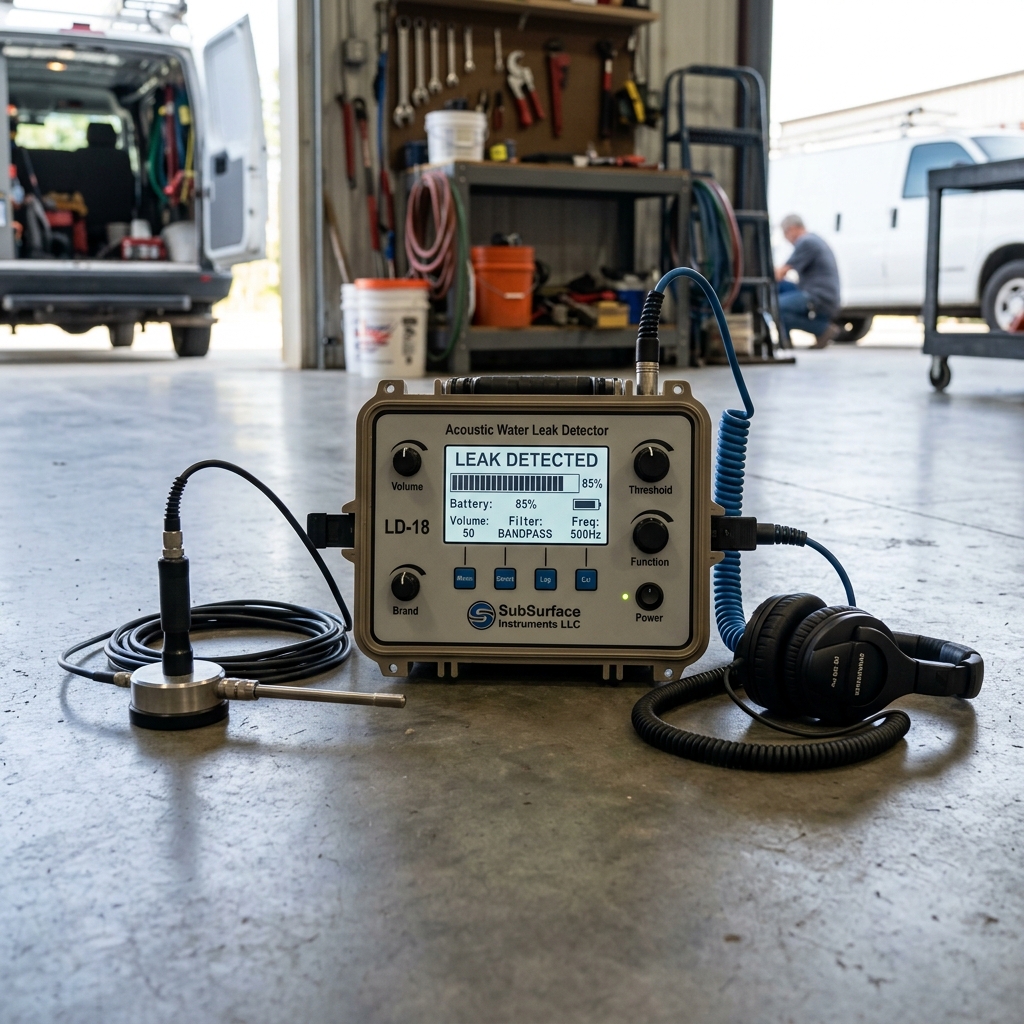
If your home also suffers from decaying pressurized water lines, consult our whole-house repiping service. For non-invasive acoustic testing of fresh water lines, see our slab leak detection page.
Serving Bossier City & Bossier Parish Communities
Cast iron drain decay is particularly prevalent in older residential neighborhoods near Downtown Bossier, near the historic Red River levee districts, and in mid-century subdivisions throughout Bossier City, LA. Check our community coverage on our service areas page, or schedule a diagnostic camera run on our contact page.